Maximizing the Margin: High-Profit Revenue Streams for Pilates Businesses
Pilates is experiencing an extraordinary boom, holding its ground as one of the most booked and rebooked fitness modalities in the boutique market.However, with tight margins—the industry average profit margin sits around 6% to 7% due to rising overhead and instructor payroll—relying only on standard group classes or standard 1:1 sessions leaves significant money on the table. To maximize profitability without experiencing burnout from teaching more hours, you must diversify your income pillars. The most successful businesses use a strategic mix of high-margin services, physical products, and optimized schedules to maximize the value of every square foot of floor space.
1. Launch Specialized, High-Margin Workshops
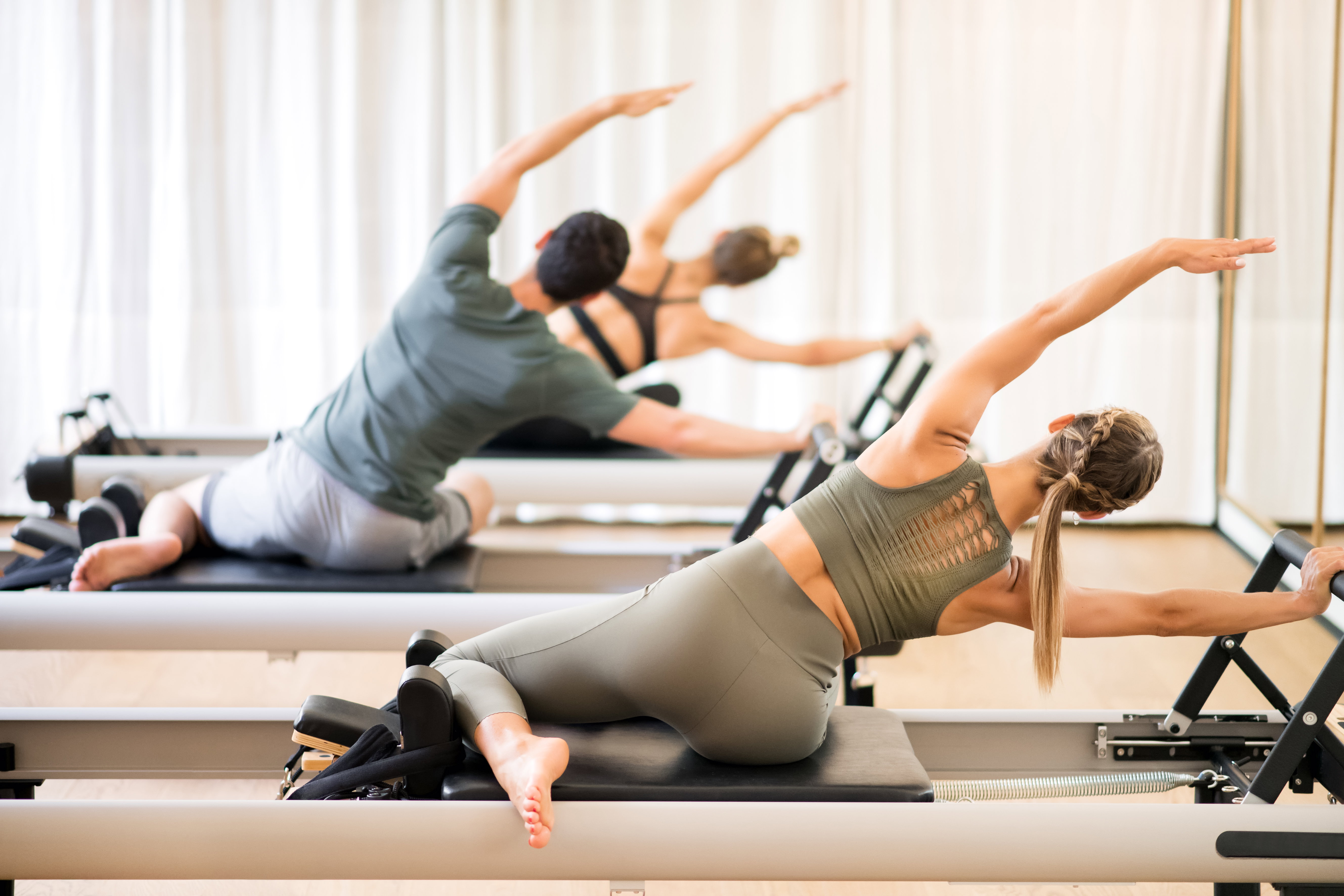
Standard 50-minute group classes have a hard ceiling on revenue. Specialized, extended workshops (90 minutes to 2 hours) allow you to command a premium price point while utilizing the exact same footprint and equipment. Instead of general workouts, these sessions should target highly specific customer pain points or life stages. Because the value proposition is so high, clients are willing to pay upfront outside of their standard memberships.
- The Conceptual Targets: "Pilates for Runners" (focusing on gait analysis, foot mechanics, and hip stability), "Intro to the Tower/Reformer" (for beginners looking to gain confidence), or "Postnatal Core Rehabilitation."
- The Financial View: Charging $50–$75 per spot for a 10-person weekend workshop can generate $500–$750 in a single afternoon. If your direct instructor cost is capped at 40%, the rest is pure profit.
2. Optimize "Dead Hours" with Small Group Training (SGT)
Every studio has them: the 1:00 PM to 4:00 PM lull where local client traffic completely drops off. Letting your space sit empty is a hidden operational cost.Instead of offering heavily discounted standard classes that cannibalize your prime-time revenue, convert these off-peak blocks into hyper-targeted Small Group Training (3 to 4 people max).
- The Strategy: Package these as 4-week or 6-week progressive programs. You charge a premium compared to large group classes, but a lower rate than private 1:1 sessions.
- The Sweet Spot: This format appeals heavily to demographics with daytime flexibility, such as remote workers, retirees, or pre-natal clients who want close instruction without paying full private rates.
3. Curate a Low-Risk, High-Turnover Retail Corner
Many owners shy away from retail because they dread sitting on thousands of dollars of dead clothing inventory in awkward sizes. The trick to a highly profitable retail corner is avoiding high-end athleisure and focusing heavily on daily necessities and branded accessories.
| Category | High-Margin Examples | Why It Sells |
| Grip Socks | Branded or curated styles | A non-negotiable hygiene requirement for most equipment studios; high turnover. |
| Home Practice Tools | Pilates rings, resistance loops, foam rollers | Easy up-sells right after a workshop where clients learn how to use them. |
| Branded Merchandise | Custom t-shirts, tote bags, water bottles | Aesthetic, high-quality merchandise turns your community into walking billboards. |
Pro Tip: Keep your capital fluid by working with low Minimum Order Quantity (MOQ) wholesalers. Run retail promotions linked to client milestones (e.g., "Hit your 50th class, get 20% off your next pair of grip socks").
4. Break Geography with Hybrid Video-on-Demand (VOD)
Clients travel for work, go on vacations, or sometimes hit a busy week where they can’t commute to the studio. If they miss classes, they lose momentum—and you risk membership churn.Building a gated, digital library of short, mat-based or prop-based workouts adds a layer of recurring, passive revenue.
- Implementation: You do not need an expensive production crew. High-quality phone video, clear audio formatting, and good lighting are enough to build a solid foundational library.
- The Structure: Offer your digital library as a $15–$25/month add-on to existing limited packages, or wrap it completely into your top-tier unlimited memberships to justify a price increase and drive retention.
5. Monetize Your Expertise via Corporate Wellness Partnerships
Corporate wellness is expanding as businesses look for low-impact, highly effective stress-reduction programs for their remote and hybrid workforces.Instead of waiting for individual employees to find your studio, pitch directly to local companies.
- On-Site Mat Classes: Bring your own small props (magic circles, bands) to a company’s boardroom or common area for early morning or lunchtime sessions. Charge the employer a premium flat rate (e.g., $200–$300 per session) regardless of how many employees attend.
- Corporate Studio Buyouts: Offer dedicated, private group blocks at your studio during off-peak hours specifically for a company's team-building or wellness initiative.
6. Implement "Autopay" Retainer Packages for Privates
If you offer 1:1 private packages, selling them in flat blocks of 10 often creates a massive financial dip when the package runs out. Studio owners frequently waste hours chasing down clients to renew.The Fix: Transition your private client base to auto-renewing monthly retainers. For example, instead of selling a 10-pack, enroll them in a weekly cadence (e.g., 4 or 8 sessions per month billed automatically every 30 days). To incentivize the shift, price the monthly subscription slightly lower than the one-off package rate. This locks in reliable recurring revenue and dramatically increases your business valuation.